False Bay and Cape Storms: What SA Yacht Owners Need to Know About Weather Risk
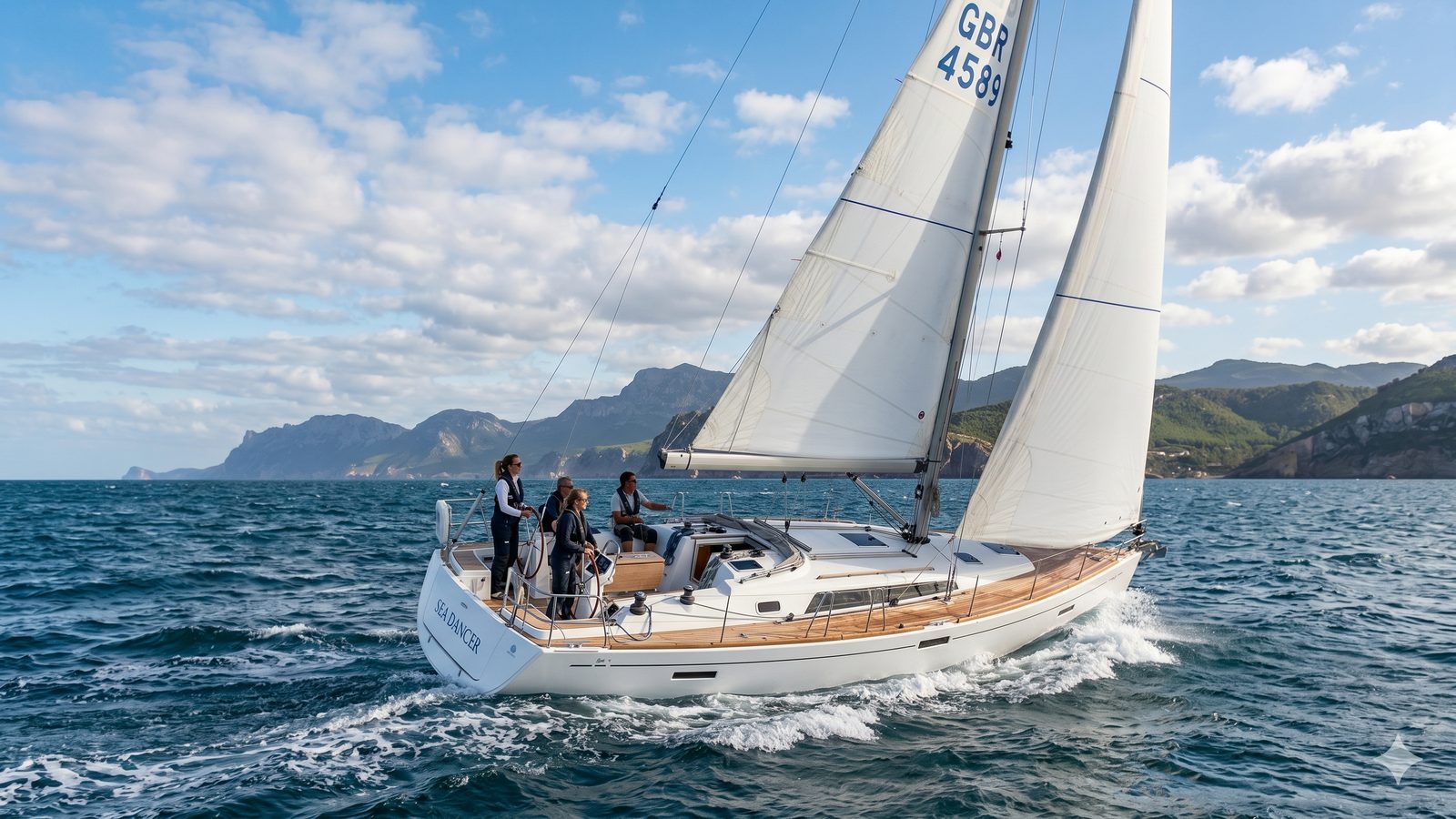
False Bay is one of South Africa's premier sailing venues — a sweeping crescent of sheltered water between the Cape Peninsula to the west and the Hottentots Holland Mountains to the east. On a summer's day, with the Cape Doctor blowing steadily and the mountains framing the vista, it is genuinely one of the world's great sailing environments. But False Bay has a weather character that demands respect, and the insurance implications of that character are significant for every yacht owner who calls its shores home.
The Cape Peninsula's Dual Weather Personality
Understanding False Bay weather begins with understanding that the Cape Peninsula experiences two distinct seasonal wind regimes — and both create real risk.
Summer (October to March): The Cape Doctor — the persistent southeasterly driven by the South Atlantic High — dominates. This wind accelerates through the gaps in the mountain ranges, producing gusts that regularly exceed 40 knots in exposed areas and can reach 60+ knots at Cape Point. In False Bay, the Cape Doctor creates good sailing conditions on the bay's open water but can cause dangerous conditions near the shore, particularly at the bay's eastern shoreline around Gordons Bay and Strand.
Winter (May to August): Cold fronts from the Southern Ocean sweep northward along the west coast, bringing strong to gale-force northwesterly winds, heavy rain, and significant Atlantic swell. These winter northwesterlies are the weather system that has caused the most documented vessel damage in Cape Town waters. Vessels on exposed moorings at Hout Bay, at the western end of False Bay, and in Table Bay have suffered significant damage during winter frontal systems.
Recent NSRI Callouts: What the Data Shows
The National Sea Rescue Institute (NSRI) station at Simon's Town covers the eastern Cape Peninsula coast and False Bay. Callout records from 2025-2026 illustrate the weather risks clearly.
In March 2026, a 50-foot yacht broke its moorings in 40-knot gusts at Simon's Town during a sudden squall. The NSRI coordinated recovery assistance, and the vessel was successfully refloated and returned to its berth without total loss — but the incident required professional assistance and caused significant hull damage. The fact that the vessel was moored in what is generally considered one of False Bay's better-sheltered harbours illustrates that no mooring is immune.
Table Bay NSRI recorded multiple callouts in April 2026 for vessels with motor failures in deteriorating conditions — demonstrating that mechanical issues are often compounded by weather risk in a way that comprehensive insurance must address.
The Southerly Swell Problem
False Bay's southern exposure creates a specific risk for vessels at bay anchorages and less-protected moorings. Southerly swells generated by Southern Ocean storms can enter False Bay from the south, creating significant surge even in harbours that provide good wind protection. Gordon's Bay marina has a shallow sandbar at the entrance that creates particular risk when southerly swells combine with low water — a vessel that grounds on the bar in swell conditions can suffer catastrophic damage.
The Kalk Bay harbour, a popular destination for day sailors from Simon's Town and the RCYC, offers excellent shelter from the Cape Doctor but is exposed to southerly swell. Vessels entering Kalk Bay harbour in southerly swell conditions require careful seamanship and, for insurance purposes, operators should be aware that decisions to enter harbour in unsafe swell conditions could affect claims outcomes if damage occurs.
Cover Gaps to Check for Cape/False Bay Vessels
Insurance for vessels based in Cape Town and False Bay needs to be reviewed against several specific scenarios:
Marina Surge Damage: Surge events — where swell enters marina basins and causes vessels to move, chafe their lines, or contact pontoons — are a regular occurrence at some Cape marinas during southerly swell events. Ensure your policy covers surge damage explicitly, or that hull cover is broad enough to include this type of loss.
Mooring Failures: Insurers assess whether mooring failures constitute a failure of reasonable care by the vessel owner. In Cape Town's high-wind environment, using appropriate chain, shackles, and mooring gear is not just seamanship best practice — it's insurance compliance. Document your mooring setup and service it regularly.
Storm Preparation Requirements: Most comprehensive policies include a requirement to take reasonable storm preparation measures. In a region where weather forecasting is well-developed and warnings are typically available, failing to take your vessel out of the water or to a more sheltered berth before a forecast storm can affect your ability to claim.
Cape Point and Ocean Passages: If your sailing area includes Cape Point roundings or offshore passages, this must be explicitly covered in your policy. Standard recreational cover typically has geographic limits that may not include deep water or ocean sailing.
Practical Steps for False Bay Vessel Owners
The best approach to managing weather risk in False Bay is to be proactive. Subscribe to SAWS (South African Weather Service) marine forecasts, monitor WEFAX charts for frontal activity, and develop a storm preparation protocol for your vessel. Know your options — which marinas can take your vessel in an emergency, where the nearest slipway is for emergency haul-out, and what your insurer's emergency claims number is.
Keep your NSRI membership current. While insurance covers the financial cost, the NSRI provides the actual rescue — and they need funding to do it. Many SA yacht clubs include NSRI membership in their annual fees; if yours doesn't, join independently.
Review your policy with a broker who understands Cape Peninsula conditions. The risks here are specific and well-documented, and an insurer with Cape Town marine claims experience will serve you better than a generalist.
About the Author
Nadine V
Marine Risk Analyst
Risk management expert and sailing writer focused on maritime safety and insurance protection for South African yacht owners. A regular contributor to marine industry publications.
Get Protected Today
Don't leave your vessel unprotected. Get a personalised quote from our SA marine insurance specialists.
Get Your Quote