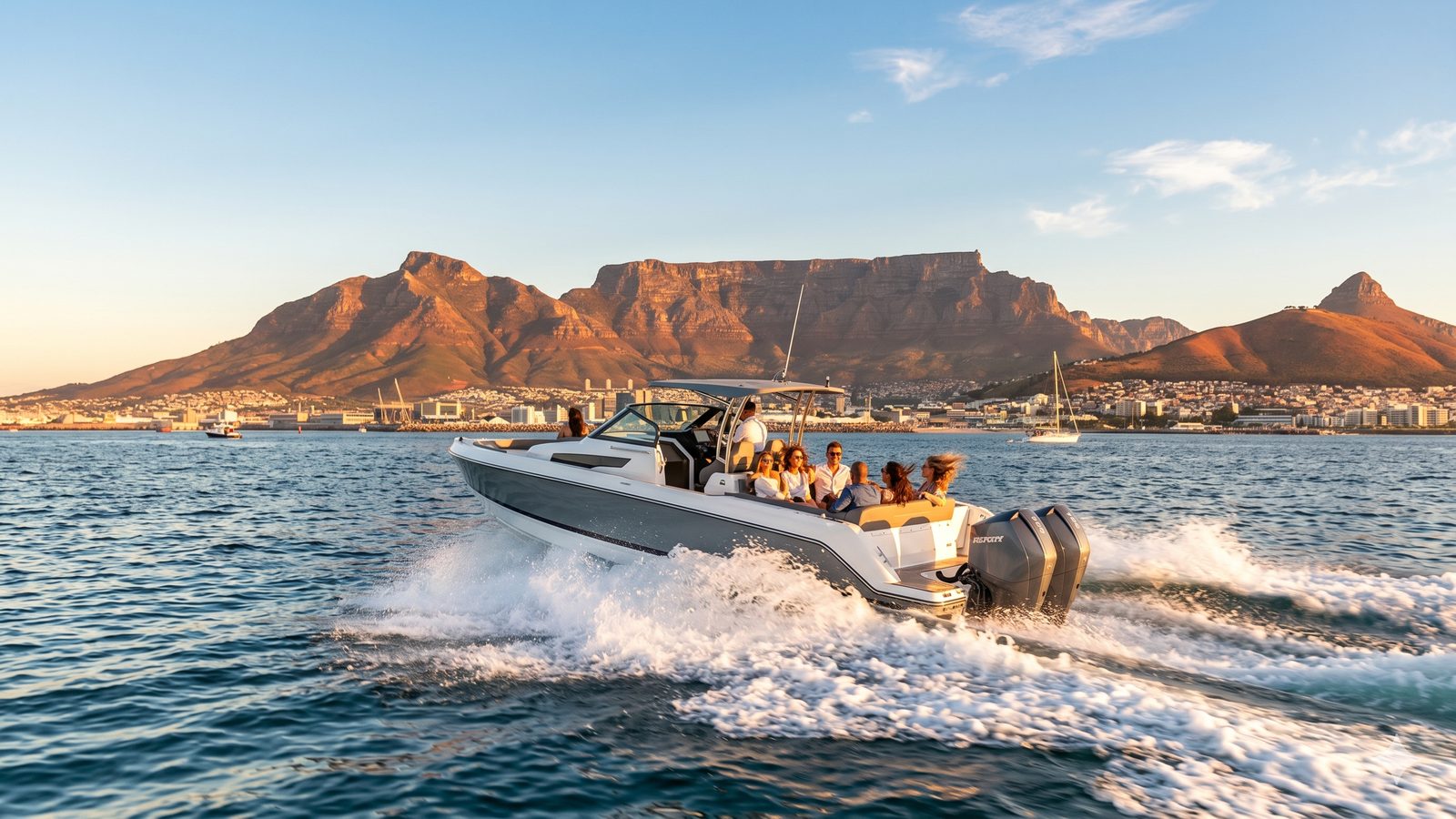
Yacht Insurance Costs in South Africa: What to Expect in 2026
One of the most common questions boat owners ask is how much yacht insurance actually costs in South Africa. The answer varies significantly depending on vessel type, value, usage, and the insurer. This guide breaks down typical premium ranges, the factors that affect your rate, and strategies for managing insurance costs without compromising coverage.
Typical Premium Ranges in the South African Market
As a broad guide, South African marine insurers typically charge between 0.75% and 2.5% of the agreed vessel value per annum for hull coverage. For a vessel valued at R500,000, this translates to premiums between approximately R3,750 and R12,500 per year.
The wide range reflects the diversity of the SA marine market. A well-maintained sailing yacht moored in a secure marina, skippered by an experienced Day Skipper certificate holder, and used primarily for coastal cruising will sit at the lower end of the range. A high-performance racing yacht, a motor cruiser with large engines, or a vessel used for charter operations will attract higher premiums.
Third-party liability cover — often a minimum of R2 million to R5 million — is generally included in or bundled with hull policies from major SA insurers, though some insurers offer it as a separate optional add-on.
Minimum Premiums to Expect
For small vessels (under R100,000 in value), premiums typically start from around R2,500 to R4,000 per annum. For mid-range vessels (R200,000 to R500,000), expect annual premiums in the R4,000 to R12,000 range. For high-value yachts (over R1 million), premiums can range from R10,000 to R30,000 or more annually, depending on the vessel and its usage profile.
These figures are indicative — actual quotes from specific insurers will vary, and it's always worth comparing at least three providers.
Factors That Increase Your Premium
Several factors will push your premium towards the higher end of the range. Sailing in high-risk areas such as the Southern Ocean approaches around Cape Point attracts premium loadings. Vessels used for racing, charter operations, or commercial purposes are rated significantly higher than recreational vessels.
Older vessels — particularly those over 25 years old — may face survey requirements and higher rates due to maintenance and deterioration risks. Previous claims history will negatively impact your rate, particularly if you have had multiple claims in the past three years.
Lack of formal qualifications — if you're a self-taught sailor with no Day Skipper or Coastal Skipper certificate — may attract a loading or affect your ability to obtain cover for certain ocean passages.
Factors That Reduce Your Premium
Formal sailing qualifications from Yachting South Africa (YSA) or an equivalent body typically attract a premium discount. Security measures such as electronic monitoring systems, GPS trackers, and quality anchor chains and locks reduce theft risk and may earn discounts.
Keeping your vessel at a recognised marina with security infrastructure is generally viewed more favourably than anchoring out or using an unattended swinging mooring. Agreeing to a higher excess — the amount you pay towards any claim — will reduce your annual premium, though this strategy should be approached carefully for smaller vessels where the excess could represent a significant proportion of the claim.
Excess Structures in SA Marine Insurance
The excess (called a "deductible" in some markets) is the amount you pay towards any claim before insurance kicks in. In the SA marine market, excesses are typically set as either a fixed rand amount (e.g., R5,000) or as a percentage of the sum insured (e.g., 1% of hull value). Some policies apply different excesses for different types of claims — for example, a higher excess for grounding incidents than for theft.
Review your excess carefully before selecting a policy. While a higher excess reduces your premium, it also means you absorb more of the cost of smaller incidents. For frequently occurring risks like minor scrapes at the dock, a lower excess may be more cost-effective over time.
Getting the Best Value in 2026
The best approach to managing yacht insurance costs in 2026 is to compare multiple quotes, ensure you're comparing like-for-like coverage, and work with a licensed broker who specialises in marine insurance. Generic household insurance brokers often lack the market access and product knowledge to source the best marine insurance for your vessel.
About the Author
James F
Marine Insurance Specialist
Marine insurance specialist with over 14 years of experience in South African and Indian Ocean waters. Holds a Yachtmaster Ocean certificate and specialises in offshore passage insurance and FSCA-regulated marine products.
Get Protected Today
Don't leave your vessel unprotected. Get a personalised quote from our SA marine insurance specialists.
Get Your Quote